Hey everyone!
This is your friend from NyuuLy — your go-to guide for a stress-free move to Japan.
One of the most important (and often overlooked) steps when settling into your new life in Japan is getting familiar with what to do in case of an emergency (such as earthquakes, fires, tsunamis, gas leaks,...)
Japan is a very safe country. Not because it’s disaster-free — actually, quite the opposite.
Because Japan experiences many natural disasters, it has built clear, organized, and surprisingly efficient emergency systems for almost every situation.
Once you understand how they work, you’ll realize they actually give you real peace of mind.
— even when your phone suddenly starts screaming in Japanese at 3 a.m.
So let’s get familiar with how emergencies work in Japan, what to do when something happens, and how you can stay safe and confident in your new home 🇯🇵
1. Understanding The System
Let’s start with the basics.
Japan’s emergency system can feel confusing at first — lots of alarms, announcements in Japanese, and rules that seem very specific. But once you understand the logic, it’s actually one of the most organized systems in the world.
Think of this section as your emergency system decoder.
1.1 Emergency Numbers (Save These Now)
Japan keeps it simple — only two numbers matter:
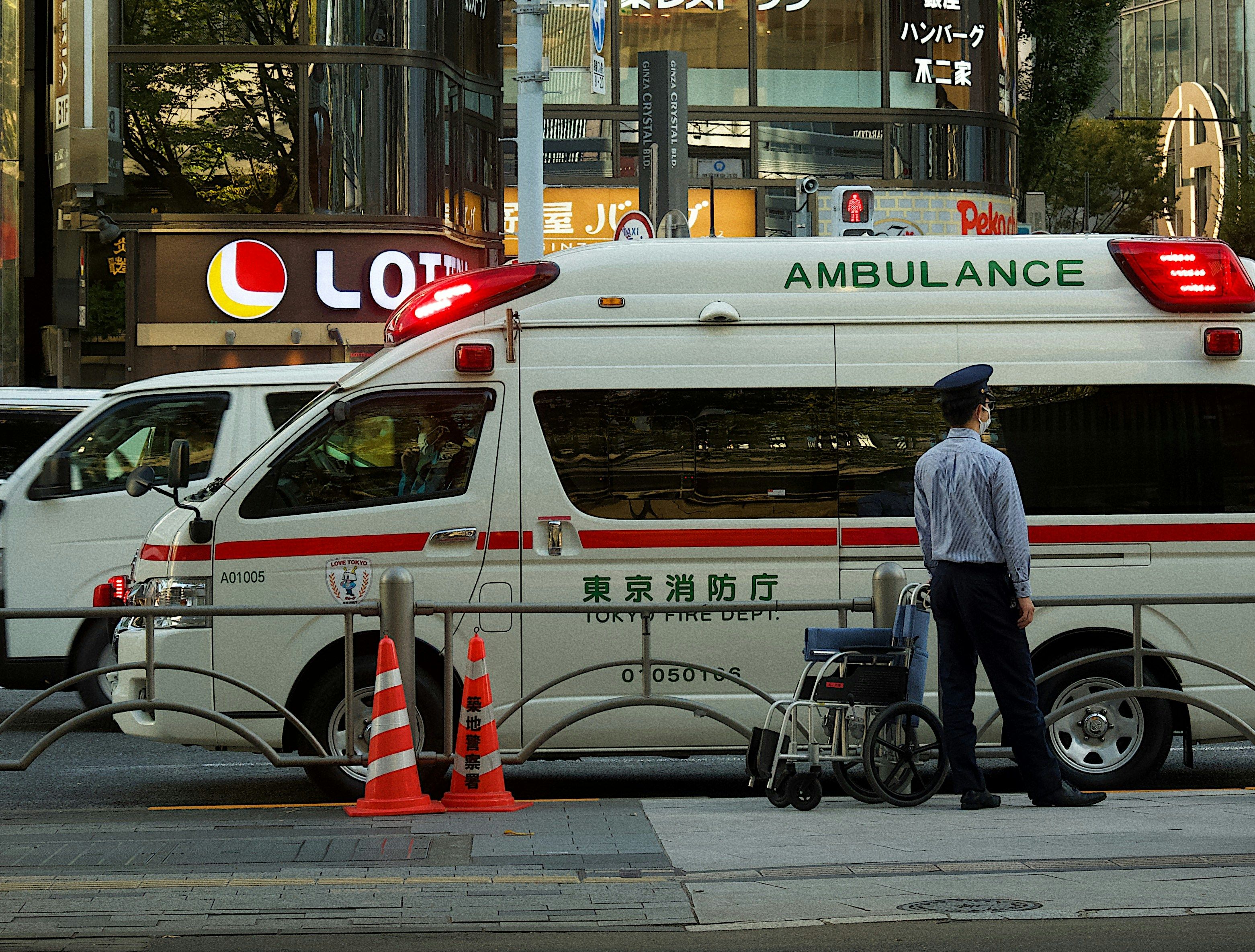
🚑 119 — Fire & Ambulance
Call 119 if:
- There is a fire
- Someone or yourself is injured or unconscious
🚓 110 — Police
Call 110 if:
- There is a crime
- Someone is following you or your home was broken into
NyuuLy’s Pro Tip:
You can call 110 or 119 from any phone (mobile or landline).
Many operators can connect you to English support, but it may take time. Speak slowly and clearly.
Useful Japanese Phrases:
- Fire: 「火事です」(Kaji desu)
- Emergency: 「緊急です」(Kinkyū desu)
- Help: 「助けてください」(Tasukete kudasai)
- When Calling 119 or 110
- 「緊急です」(Kinkyū desu) — It’s an emergency「助けてください」(Tasukete kudasai) — Please help「英語を話せますか?」(Eigo o hanasemasu ka?) — Do you speak English?
- Medical Emergencies
- 「怪我をしました」(Kega o shimashita) — I’m injured「気分が悪いです」(Kibun ga warui desu) — I feel sick「救急車を呼んでください」(Kyūkyūsha o yonde kudasai) — Please call an ambulance
- Evacuation & Safety
- 「避難所はどこですか?」(Hinanjō wa doko desu ka?) — Where is the evacuation shelter?「ここは安全ですか?」(Koko wa anzen desu ka?) — Is this place safe?「助けが必要です」(Tasuke ga hitsuyō desu) — I need help
- Police Situations
- 「誰かに追われています」(Dareka ni owareteimasu) — Someone is following me「泥棒に入られました」(Dorobō ni hairaremashita) — My house was broken into「パスポートをなくしました」(Pasupōto o nakushimashita) — I lost my passport
1.2 City-Wide Loudspeakers
At some point, you will hear a loud voice coming from nowhere. No speakers in sight. No explanation. Just Japanese echoing through the neighborhood.
Don’t panic — this is 防災無線 (bōsai musen), Japan’s public disaster speaker system.
What are they used for?
- Earthquake and tsunami warnings
- Evacuation instructions
- Extreme weather alerts
- Daily test broadcasts (yes, really)
How to know if it’s serious
- Calm, short message: probably a test or announcement
- Urgent tone + repeated message: pay attention
- Keywords like 避難 (ひなん、hinan - Evacuate) or 緊急 (きんきゅう、kinkyu - Emergency): time to act
NyuuLy’s Pro Tip: Check your phone right after hearing the speaker — alerts usually arrive there too.
1.3 Emergency Alerts on Your Phone (The Screaming Alarm)
If you’ve never experienced it before, Japan’s emergency alerts can be… intense.
Your phone may:
- Make a loud siren sound
- Vibrate nonstop
- Display Japanese text even if your phone is in English
This is normal.
Common alert types
- 緊急地震速報 (きんきゅう じしん そくほう / kinkyū jishin sokuhō)— Earthquake Early Warning
- 津波警報 / 注意報 (つなみ けいほう / tsunami keihō)— Tsunami warning/advisory
- J-Alert — Nationwide emergencies (missiles, major disasters)
Do not turn these alerts off. They give you precious seconds to react.
Most phones allow partial English support. Check:
- iPhone: Emergency Alerts in Settings
- Android: Safety & Emergency settings
1.4 Must-Have Apps & Online Resources
These tools make a huge difference during emergencies:
Recommended Apps/Website
- Safety Tips (Japan Tourism Agency) — multilingual alerts & guidance (https://www.jnto.go.jp/safety-tips/eng/emergency/index.html)
- NHK News Web Easy — disaster news in simple Japanese (https://news.web.nhk/news/easy/)
- Google Maps — shelter locations & hazard layers
Other Resources
- Local city websites (often have English disaster pages)
- Embassy or consulate registration systems
👉 Do this now, not during a disaster.
1.5 Evacuation Shelters (避難所、ひなんじょ / hinanjo)
Evacuation shelters in Japan are usually:
- Schools
- Gymnasiums
- Community centers
You may need to evacuate during:
- Strong earthquakes
- Tsunamis
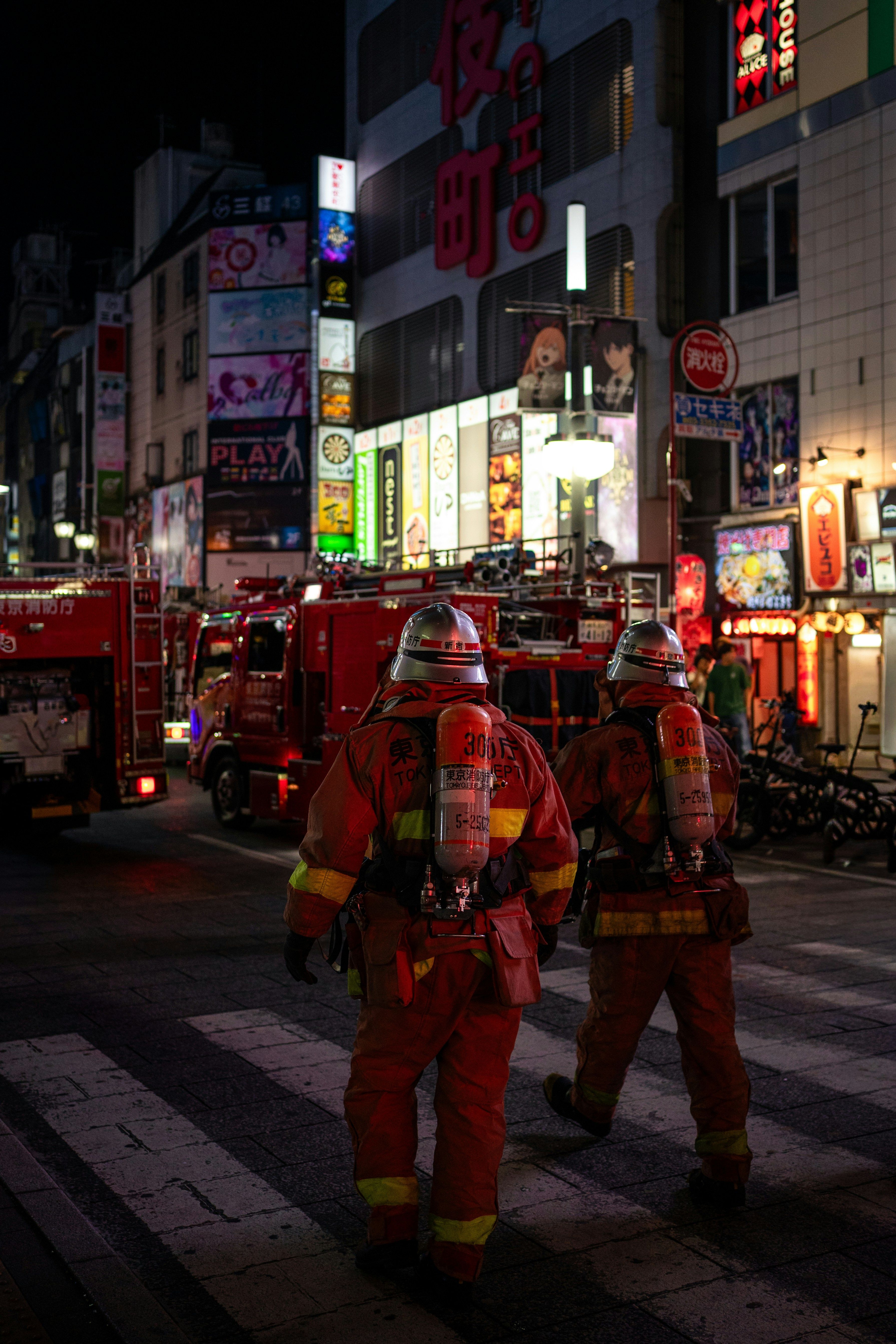
- Fires
- Floods or landslides
How to find them
- Posted maps in apartment buildings
- Signs in your neighborhood
- Google Maps (“evacuation shelter”)
- City websites
What to expect inside
- Large open rooms
- Floor mats or blankets
- Basic food and water
- Many other people (privacy is limited)
Shelters are safe, organized, and run by local staff and volunteers.
2. Safety Checklist
This is your quick-start safety checklist — the things you should learn, prepare, and save within your first weeks in Japan.
No panic, no overthinking.
Just simple steps that will make you feel much more confident if something unexpected happens.
✅ Save These Emergency Numbers
Put these in your phone right now: You don’t need a SIM card or balance to call them.
- 119 → Fire & Ambulance
- 110 → Police
✅ Find Your Nearest Evacuation Shelter
- Check the map in your apartment building
- Search online: “Evacuation shelter + your city name”
- Save the location in Google Maps
📍 NyuuLy’s Pro tip: Also learn how to get there on foot, not just by train.
✅ Learn Your Building’s Escape Routes
- Emergency exits
- Stairwells (never elevators)
- Fire extinguishers
- Gas shutoff location
These are usually posted near elevators or inside your apartment door.
✅ Turn On Emergency Alerts (Don’t Silence Them!)
Your phone’s loud alerts are annoying — but they save lives.
Check that:
- Emergency alerts are ON
- Vibration is ON
- Sound is ON, even at night
Yes, even at 3 a.m.
✅ Prepare Your Emergency Go Bag (防災バッグ、ぼうさい バッグ / bōsai baggu)
You don’t need to go full survival mode. Just prepare a small bag you can grab in seconds.
🎒 Basic Essentials: You can buy a set of Emergency Go Bag (防災バッグ) online (Amazon, Rakuten) or offline at Donki or Aeon.
A basic emergency kit includes:
- Water (at least 1 day)
- Snacks or emergency food
- Flashlight
- Safety hat
- Portable phone charger
- Mask & tissues
- Wet wipes
🌍 Extra Items for Foreigners
These are often overlooked — but important:
- Passport copy
- Residence card copy
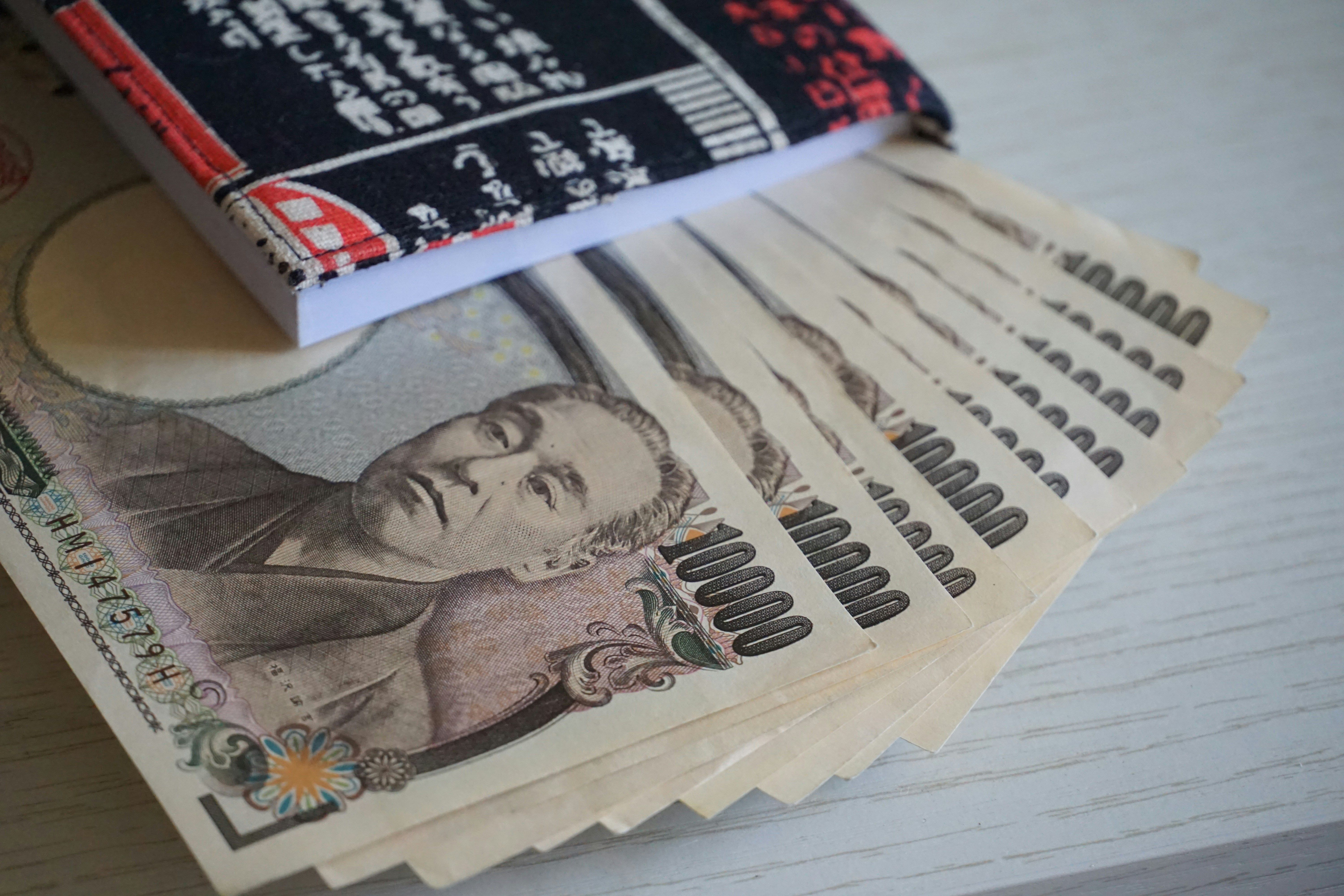
- Cash (¥10,000–¥20,000 in small bills)
- Prescription medication (3–7 days)
- Emergency contact list (written, not just on your phone)
3. Earthquakes 地震(じしん / jishin)
If you live in Japan long enough, you will experience an earthquake. Most are small. Some are strong. Almost all are scary the first time.
The good news?
Japan is extremely well-prepared for earthquakes — and once you know what to do, you’ll feel much more in control.
3.1 Before an Earthquake (Yes, This Matters)
You can’t predict earthquakes, but you can reduce risk.
Do this now:
- Secure tall furniture (bookshelves, cabinets)
- Keep heavy objects off high shelves
- Know where your flashlight and shoes are
- Keep your emergency bag near the door
💡 Tip: Many injuries happen after the shaking, from broken glass and falling objects.
3.2 Earthquake Alerts: When Your Phone Screams
If your phone makes a loud alarm and shows「緊急地震速報」(きんきゅう じしん そくほう / kinkyū jishin sokuhō)
This means an earthquake is coming within seconds.
3.3 During the Earthquake: What To Do
🧎 Drop, Cover, Hold
- Drop to the ground
- Cover your head and neck
- Hold onto something sturdy
🏠 If You Are Indoors
- Stay inside
- Get under a table or desk
- Move away from windows
- Do not run outside
🏢 If You Are in an Apartment or Office Building
- Do not use elevators
- If in an elevator:
- Press all floor buttonsGet out as soon as it stops
🚇 If You Are Outside
- Move away from buildings
- Watch for falling signs, glass, power lines
🚗 If You Are Driving
- Slow down gradually
- Pull over safely
- Stay inside the car
3.4 After the Shaking Stops
This is where smart decisions matter most.
Check Yourself and Others
- Are you injured?
- Is anyone nearby hurt?
Watch for Aftershocks
- They are normal
- Sometimes strong
Check for Hazards
- Smell gas?
- Fire or smoke?
- Water leaks?
🚨 If you smell gas:
- Open windows
- Do not use electronics
- Turn off gas if safe
- Leave and call for help
3.5 Should You Evacuate?
You do not need to evacuate after every earthquake.
Evacuate if:
- Your building is damaged
- There is a fire
- Authorities instruct you to
- You are in a tsunami-risk area after a strong quake
If you evacuate:
- Take your emergency bag
- Walk, don’t drive
- Go to the nearest evacuation shelter
3.6 Earthquakes Near the Coast: Tsunami Risk
If you are near the ocean and feel:
- A strong or long earthquake
Assume there is tsunami risk.
Do not wait for an announcement.
- Move to higher ground immediately
- Follow evacuation signs
- Stay away until officially cleared
3.7 Helpful Japanese Words You May Hear
- 緊急地震速報(きんきゅう じしん そくほう / kinkyū jishin sokuhō) — Earthquake Early Warning
- 余震(よしん / yoshin)— Aftershock
- 避難してください(ひなん して ください / hinan shite kudasai)— Please evacuate
- 危険(きけん / kiken) — Danger
- 安全(あんぜん / anzen) — Safe
You don’t need to understand everything — just recognize key words.
3.8 Common Mistakes to Avoid
- ❌ Running outside during shaking
- ❌ Using elevators
- ❌ Standing near windows
- ❌ Ignoring official evacuation instructions
- ❌ Returning too early after evacuating
4. Tsunami 津波(つなみ / tsunami)
Tsunamis are rare — but when they happen, speed matters more than anything else.
You do not need to see a wave to be in danger.
If you are near the coast and feel a strong or long earthquake, assume tsunami risk and act immediately.
4.1 When to Worry About a Tsunami
Pay attention if:
- You are near the ocean or river mouth
- The earthquake was strong enough that you couldn’t stand
- Your phone shows a tsunami alert
- You hear evacuation instructions over loudspeakers
Do not wait for confirmation. When in doubt, move.
4.2 What To Do Immediately
⛰ Move to Higher Ground
- Walk quickly (don’t run unless necessary)
- Follow blue-and-white tsunami evacuation signs
- Go uphill or to a designated tsunami evacuation building
🚫 What NOT To Do
- Do not go to the beach to look
- Do not return to your house
- Do not use a car unless absolutely necessary
Stay in a safe location until authorities say it’s okay to leave.
4.3 Tsunami-Related Japanese You May Hear
- 津波警報(つなみ けいほう / tsunami keihō) — Tsunami warning
- 津波注意報(つなみ ちゅういほう / tsunami chūihō)— Tsunami advisory
- 高い場所へ避難(たかい ばしょ へ ひなん / takai basho e hinan)— Evacuate to higher ground
Even if you don’t understand everything, these words mean go now.
5. Fire 火事(かじ / kaji)
Most people imagine fires as dramatic. In reality, fires in Japan are often small, fast, and smoky — and smoke is the biggest danger.
5.1 If a Fire Starts in Your Home
If it’s small and safe:
- Use a fire extinguisher
- Aim at the base of the fire
If it’s spreading or smoky:
- Get out immediately
- Close doors behind you
- Do not try to save belongings
- Call 119 once you are safe.
5.2 If You Hear a Fire Alarm
- Treat all alarms as real
- Grab your phone and keys
- Use stairs, not elevators
- Stay low if there is smoke
If you cannot leave:
- Block gaps under doors with towels
- Go to a balcony or window
- Call for help
5.3 Fire-Related Japanese Phrases
- 火事です(かじ です / kaji desu) — There’s a fire
- 煙があります(けむり が あります / kemuri ga arimasu)— There is smoke
- 外に出られません(そと に でられません / soto ni deraremasen)— I can’t get outside
6. Gas Leak ガス漏れ(ガス もれ / gasu more)
Gas leaks are uncommon — but Japan takes them very seriously.
6.1 Signs of a Gas Leak
- Strong sulfur / rotten egg smell
- Stove flame behaving oddly
- Gas meter shutting off automatically
6.2 What To Do Immediately
- Open windows and doors
- Turn off gas if safe
- Do not use phones, lights, or switches
- Leave the building
Call your gas company or 119 from outside.
6.3 Gas-Related Japanese Phrases
- ガス漏れです(ガス もれ です / gasu more desu)— There is a gas leak
- ガスの匂いがします(ガス の におい が します / gasu no nioi ga shimasu) — I smell gas
7. Crime & Personal Safety 犯罪・身の安全(はんざい・みの あんぜん / hanzai · mi no anzen)
Japan is very safe — but not crime-free. Knowing what to do makes a big difference.
7.1 If Someone Is Following You
- Go into a convenience store or busy place
- Tell staff:
- 「警察を呼んでください」(けいさつ を よんで ください / keisatsu o yonde kudasai)— Please call the policeCall 110 if needed
Trust your instincts!
7.2 If Your Home Is Broken Into
- Do not confront anyone
- Leave if possible
- Call 110
- Follow police instructions
Japanese police are thorough — expect questions.
7.3 Everyday Safety Tips
- Use your intercom
- Lock doors and windows
- Don’t open the door to unknown visitors
- Report suspicious behavior
8. Losing Important Documents 書類紛失(しょるい ふんしつ / shorui funshitsu)
Losing documents is stressful — but Japan has a clear process.
8.1 First Steps
- Go to the nearest police box (交番/こうばん / kōban)and say [your document] をなくした/o nakushimashita)- I lost my [document name]
- File a lost or stolen report
- Get a receipt or report copy - This document is important.
8.2 Reissuing Key Documents
Passport
- Contact your embassy
- Bring police report
Residence Card
- Report to Immigration
- Reapply as soon as possible
Bank Cards / My Number
- Contact issuing office immediately
8.3 Tips to Prevent Future Loss
- Keep digital copies
- Carry only what you need
- Japan often returns lost items — report and check with Lost&Found offices inside malls, train stations and police stations
Emergencies are stressful anywhere — but in Japan, knowing the system changes everything.
You don’t need perfect Japanese nor remember everything. Just knowing what to do first is enough.
Stay safe, stay calm, and enjoy Japan 🇯🇵